Throughout this article are a variety of quotes from books found in your local library. As you find the quotes, quiz yourself to see if you know the book and the author. Answers at the end.
In the cold of winter I ventured out to my local library in search of reading materials to warm my soul and fill my mind with plans of my summer garden. “It has been a terrible, horrible, no good, very bad day. My mom says some days are like that. Even in Australia.” 1
While checking out my selected books I saw a small sign on the counter that said, “Volunteers wanted.” Volunteers Wanted! What? I have always wanted to volunteer at a library, with life’s schedules I had not. So I took a leap and applied for the position. “My advice is, never do tomorrow what you can do today. Procrastination is the thief of time. Collar him.” 2 I got the position; it warmed my heart on that cold winter day.
The library of today is not your Grandparents’ library, (but grandparents come and embrace the changes).
Did you know that here in Clarke County at your local library…..
You have access to up to date computers?
Access to Wi Fi, eBooks, Zinio, Mango and Freading?
Ability to make copies, Black and White and Color?
Can send (for a fee) a Fax?
Can check out Movies and TV series and most Disney movies?
Sit in a private room and have a ‘Study Date’?
Oh I could go on and on.
“How wonderful it is that nobody need wait a single moment before starting to improve the world.” 3
Oh and wait….you can check out books too!
One of the bonuses of being a library volunteer, I get great ideas of what to read next, while filing the books that patrons checked out. The library has a rich variety of books, newspapers, magazines, DVD’s and CD’s (no cassettes). If you do not see what you want, the branch is part of a much larger system. You can order an item and it is usually delivered in a day or two.
The library has expanded beyond its four walls to reaching out to the community. They have partnered with the Barns of Rose Hill on several events. Currently on the first Thursday of every month a group called the Brown Bag with Books, meet to discuss the book of the month (contact the library for a list of books). Remember– “ No two persons ever read the same book.” 4
This summer there will be movies starting on Saturday June 18th. The summer reading program “Read for the Win” will have special events at the Barns. After reading 6 hours or 360 minutes, youth and adults are eligible to receive a free book. “Sometimes, reaching out and taking someone’s hand is the beginning of a journey. At other times, it is allowing another to take yours.” 5
The library is located in the heart of Berryville, easy access to all. If you have been to the Town or County offices you have been in the same building as the library. They are located at 101 Chalmers Court-Suite C, Berryville, VA 22611. Phone: 540.955.5144. Web address: www.handleyregional.org. If you do not have a computer, come in and use theirs, all you need is your library card.
Don’t have your library card, yet? Not a problem, just bring in a photo ID (we all now have photo ID’s don’t we) and they will get you started. “When you see someone putting on his Big Boots, you can be pretty sure that an Adventure is going to happen.” 6
So put on your Big Boots and start on your own adventure.
Here are the sources for the quotes. If one piqued your interest and you want to know more … our local library has their books.
1 – Judith Viorst, Alexander and The Terrible, Horrible, No Good, Very Bad Day
2- Charles Dickens, David Copperfield
3- Anne Frank, The Diary of a Young Girl
4- Edmund Wilson
5- Vera Nazarian, The Perpetual Calendar of Inspiration
6- A.A. Milne, Winnie-the-Pooh
https://clarkeva.com/wp-content/uploads/2017/08/Clarke-Nameplate3-1024x320.jpg00vaobserverhttps://clarkeva.com/wp-content/uploads/2017/08/Clarke-Nameplate3-1024x320.jpgvaobserver2016-05-14 23:01:512016-05-14 23:02:08We are one with you
Happening Now!
Thru the Garden Gate at Barns of Rose Hill through May 28th. Everyone is invited to step thru the wrought-iron gates to enjoy this lovely collection of garden-related art by sixteen mostly-local artists. Natural Composition and Natural Attraction by Stephens City artist Ron Heath adorn the gates.
Stepping thru the gates takes one past watercolor peonies and roses by Julie Read and Janie Caspar’s Redbud Time. Ed Cooper’s Country Garden and Summer Garden occupy the top of the path. Proceeding clockwise brings into view two watercolors by watercolorist Allene Fraser of Edmonton, Kentucky: The Blue Door and the Pott Home Place.
Coming into view next are Blue Bench with Hydrangeas and Thru the Garden Gate, both by Cheryl Voytek.
A stroll around the outside perimeter features Blooming Places, a triptych in lovely pastel colors by Winchester artist Don Black and an abstract series entitled Sanctuary, The Glade and Small Pond, by Bob Black, of Millwood.
Works by C. B. Fisher, Michele Frantz, Janet Hansen Martinet, Jill Perla, Cari Sherwood, DeeDee Volinsky and Robert Whitacre are also represented.
Most of the paintings may be purchased.
Memorial Day Service
May 29, Rose Hill Park in Berryville. 2pm. Sponsored by VFW Post 9760 and American Legion Post 41. The theme of this year’s service is “Clarke County’s Honor Roll: A Tribute to Our Fallen Heroes. Clarke County High School’s Band and Choir will perform at the service. Major General Hugh “Bugs” Forsythe, USAF (Retired), will deliver the Memorial Day message.
A U.S. Air Force Academy graduate, General Forsythe is a highly qualified pilot and experienced, professional leader. He has more than 35 years experience flying high performance fighters, including combat missions in Southeast Asia and Iraq. General Forsythe currently serves as the Director of Marketing for Potomac Air Charter, managing a King Air in Leesburg. He also serves as Chairman of the Board for Loudoun Volunteer Caregivers, a non-profit organization assisting those in need. Following the service, a social event and luncheon will take place at VFW Post 9760 at 425 South Buckmarsh Street in Berryville. The luncheon is free and open to the public. In the event of inclement weather, the ceremony will take place at the Barns of Rose Hill.
14 World Fair-Trade Day
My Neighbor and Me. 15 East Main Street. Berryville. 11am-1pm Jona Masiya & Friends will be playing live music on Djembe and Marimba on the sidewalk. 2pm Storyteller Larry Lee Fickau with live illustrator Norasack Pathammavong. For information call 540-955-8124.
14 Kidz Fest
Old Town Winchester. Loudoun Street Mall. A day full of fun and education featuring more than 60 interactive exhibits highlighting education, art, music and sports. Free activities and engaging exhibits ranging from musical instrument demonstrations to gymnastics will line the Mall. For information contact Jennifer Bell at 540-535-3660 or jennifer.bell@winchesterva.gov.
15 VHSA Jumper
Sandstone Farm. 3805 Millwood Road, Millwood. Free admission to all events. Breakfast and lunch available. For Information 540-837-1261 or e-mail sandstonefarm@aol.com. See schedule for times and details at www.sandstonefarm.com. Free.
15 Spaghetti Dinner and Auction
Clarke County High School. 627 Mosby Boulevard. Berryville. 3–7pm. Clarke County High School Chamber, Concert, and A Cappella Choirs will sing for you while you enjoy a Spaghetti Dinner. Proceeds will benefit the student singers’ future performances and their choral education. Donate for your dinner. There will be a silent auction following the meal. For information, contact Michelle Suling at suling5@comcast.net or Teresa (TC) Miller Welch at bruceandtc@gmail.com.
20 Budding Artists Exhibit Opening
Barns of Rose Hill. 95 Chalmers Ct. Berryville. We are excited to join forces with Heritage Child Development Center to showcase children’s art in a delightful exhibit—Budding Artists. The children spend months making individual and collaborative pieces to proudly display for family, friends and the public. While the younger children focus on tactile exploration and development of gross motor skills and visual acuity, the older groups explore a world of creative invention through a multitude of mediums. Doors open at 5pm. Exhibit starts at 5:30. Free. For information visit www.barnsofrosehill.org.
20 Student Writers Open Mic Night
Barns of Rose Hill. 95 Chalmers Ct. Berryville. Come out to read your original poetry and stories in a creative and supportive atmosphere! Arrive between 7 and 7:30pm to add your name to the list of readers. Reader slots are limited to five minutes. Participants must be middle-school through high-school students. Home schooled students are encouraged to participate. Local writers will serve as emcees. Doors open at 6. Readings start at 7:30. Free event. For information visit www.barnsofrosehill.org.
21 Muse Art and Craft Festival
Loudoun Street Mall. Old Town, Winchester. 11am-6pm. Woodworking, printmaking, painting, collage, ceramics and ! aMuse Art & Craft Festival is Winchester’s only festival dedicated to the arts. With a committee of local arts professionals, we are community driven and proud to host artists from across the region to our charming little town. For information visit www.amuseartfair.com
21 Charm City Junction
Barns of Rose Hill. 95 Chalmers Ct. Berryville. From dance inducing Old Time rhythms and foot stomping Irish melodies to hard-driving Bluegrass, Baltimore-based Charm City Junction creates a fresh soundscape that keeps listeners on the edge of their seats wondering where they’ll go next. The band is comprised of four of the most talented and promising acoustic roots musicians in the country. Doors open at 7:00, Show starts at 8:00. $15.00 in advance, $20.00 at the door, 12 and under free. For information visit www.barnsofrosehill.org
21 Job Hunting 101
Workshop for teens and young adults, Clarke County Parks & Recreation Center, 225 Al Smith Circle. Berryville . 1–2:30pm. Suggested donation is a can of food for FISH. To register by email contact Patty Maples at maplespatty@gmail.com or register directly on Eventbrite. at www.eventbrite.com/e/job-hunting-101-for-teens-and-young-adults-clarke-county-va-tickets-24591865933.
22 VHSA Horse and Pony Hunter show
Sandstone Farm. 3805 Millwood Road, Millwood. Free admission to all events. Breakfast and lunch available. For Information 540-837-1261 or e-mail sandstonefarm@aol.com. See schedule for times and details at www.sandstonefarm.com. Free.
22 Clark Hansbarger
And the Bitter Liberals. Mt. Zion Historical Park. 40309 John Mosby Hwy. Aldie, VA. 7pm. “Dream of a Good Death: New songs of the Old War—A Civil War Folk Odyssey”. Each song is introduced with slides and a bit of lecture to enrich the audience’s experience of the music, and then performed by Hansbarger and his band The Bitter Liberals, featuring Allen Kitselman, Mike Jewell, and Gary Mcgraw. As a special addition, the evening will also feature paintings of Civil War themes by artist Winslow McCagg. Seating is limited, but tickets can be purchased in advance at the Mosby Heritage Area Association website at mosbyheritagearea.org/calendar. Admission for the evening is $15 for adults in advance. $18 at the door. students $10. More about the show and the project can be found on Clark’s website civilwarsong.com.
22 Loudoun Youth Guitars
Barns of Rose Hill. 95 Chalmers Ct. Berryville. One of the finest youth ensembles in the metropolitan area, the group is comprised of talented and highly motivated guitar students from several middle and high schools in Loudoun County. They perform music by composers from various musical eras, including Baroque, Classical, Romantic, and contemporary. Dr. Miroslav Lončar conducts the orchestra and Dr. Nataša Klasinc-Lončar is the assistant. Doors open at 3pm. Show starts at 4. $5 per person. 12 and under free. For information visit www.barnsofrosehill.org.
25
Clarke County Studio Art Tour Reception
Barns of Rose Hill. 95 Chalmers Court. Berryville. 7pm. All participants in The Clarke County Studio Tour which will be held on October 1st and 2nd and interested folks are invited to a gathering to learn more about the tour & pick up “Save the Date” cards. For information or an application contact Diane Harrison at diane@centerringdesign.com.
26 The Honey Dewdrops
Barns of Rose Hill. 95 Chalmers Ct. Berryville. Laura Wortman and Kagey Parrish share more than most couples. As the Honey Dewdrops, they share stages from venues to festivals across North America, stretches of rolling, infinite roadway, and a lot of songs; they share one mic and a hunger to pay attention to what endures. With tight harmonies and a musical ensemble that includes clawhammer banjo, mandolin and guitars, the effect is to leave listeners with only what matters. Doors open at 7pm. Show starts at 8. $15 in advance. $20 at the door. 12 and under free. For information visit www.barnsofrosehill.org.
28 Strawberry Festival
St. Mary’s Episcopal Church Parish Hall. 15 Barnett St. Berryville. 11am–2pm. Come enjoy delicious strawberry shortcake, homemade ice cream, scrumptious fried chicken lunches, baked goods, and much more. A gas card and a basket of cheer will be among items being raffled. Additional information is available by calling 540-955-4617. Proceeds benefit ECW Outreach projects.
28 Corn Potato String Band
Barns of Rose Hill. 95 Chalmers Ct. Berryville. The Corn Potatos have delighted audiences with their driving fiddle tunes and harmonious singing across the US, Canada, Europe, Mexico, and India. They are all multi-instrumentalists dedicated to continuing the music and dance traditions of the Central and Southern US. In addition to being champion fiddlers they play banjo, guitar, bass and mandolin and deftly handle many different antiquated styles including ballads, “ho-downs,” country “rags” and southern gospel, specializing in twin fiddling and double banjo tunes. Doors open at 7pm. Show starts at 8.. $15 in advance. $20 at the door. 12 and under free. For information visit www.barnsofrosehill.org.
June
2 Brown Bag with Books
Barns of Rose Hill. 95 Chalmers Court. Berryville. 12 noon. Bring your lunch and join the Clarke County Library at The Barns of Rose Hill the first Thursday of each month to discuss the book of the month. June’s book is The Lost City of Z by David Grann. All are welcome. For information call Laurine Kennedy at 540-955-5144.
4
BRH Annual Hunter Horse Show
Sandstone Farm. 3805 Millwood Road, Millwood. Free admission to all events. Breakfast and lunch available. For Information 540-837-1261 or e-mail sandstonefarm@aol.com. See schedule for times and details at www.sandstonefarm.com. Free.
4 The Bitter Liberals
Barns of Rose Hill. 95 Chalmers Ct. Berryville. The Bitter Liberals is a band of focused concentration and joyful collaboration, encompassing decades of musical experience. They play all original music of texture and maturity, featuring rich story-telling, fine vocals, and the seasoned musicianship of Allen Kitselman, Mike Jewell, Clark Hansbarger, and Gary McGraw. Doors open at 7pm, Show starts at 8. $15 in advance. $20 at the door. 12 and under free. For information visit www.barnsofrosehill.org.
5 5k Color Fun Run/Walk
Clarke County Parks and Recreation. 225 Al Smith Circle. Berryville. Clarke County Education Foundation, in partnership with CCPS and CCPR, hosts the 2nd “Color Me Clarke 5k Fun Run/Walk”. This is NOT a certified course; it’s about FUN. 7:30am checkin/packet pickup. Race waves begin at 9am. $30 in May. $35 after May 31st and day of the event. DJ, Awards, Color Finale – For information visit www.ccefinc.org For online registration visit https://runsignup.com/Race/VA/Berryville/ColorMeClarke.
10 Community Band
Rose Hill Park. Berryville. 6:30pm. Clarke County Community Band Spring Concert. Bring the family and a picnic and enjoy an evening of traditional band music and show tunes.
12 Safety in the Home
Berryville Baptist Church. 114 Academy St. Berryville. Sheriff Tony Roper will be giving a talk on how to stay safe in your home. A light lunch will be served at 12 noon with the presentation following. Free event. 540-955-1423.
https://clarkeva.com/wp-content/uploads/2016/05/Honey_Bees_in_Willow_Trees_8345531686.jpg10241024vaobserverhttps://clarkeva.com/wp-content/uploads/2017/08/Clarke-Nameplate3-1024x320.jpgvaobserver2016-05-14 22:59:242016-05-14 22:59:24Around Clarke County May-June 2016
The Adult Care Center (ACC) in Winchester is a nonprofit offering a vibrant day program for adults with conditions affecting memory and independence. It provides support for the families who choose to keep their loved ones at home.
The ACC serves clients in Winchester, Frederick County, Clarke County, and the surrounding area. It is the only organization in the Northern Shenandoah Valley exclusively dedicated and licensed to provide a day program for adults who need supervision or assistance. The center has formed a strong approach to client engagement, health monitoring, and caregiver support since its establishment in 1993. The ACC aims to keep loved ones in the home and active in the community for as long as possible.
According to Executive Director Jane Bauknecht, the ACC “offers many research-based activities that encourage, engage, and enrich the participant. Effective redirection techniques are used throughout the day as needed.” Age-appropriate activities exercise the mind and body and are both recreational and therapeutic in scope including music therapy, music and spirituality, drum circle, an intergenerational program with children from the Fremont Street Nursery, expressive art, daily exercise including the use of weights and bands, aromatherapy, weekly matinee, and more. These activities “enable persons with conditions affecting memory and independence to be supported through various stages of their disease,” she says.
The ACC is a cost-effective care option for families. “Many households who use the Center are people who have to go to work, but need an affordable place for their loved one to be during the day,” says Bauknecht. “Thus, they drop their loved one off in the morning on their way to their employment, and pick them up when the workday is over.”
Others use the service part-time because “they just need an opportunity to have a few days a week to get chores done, or take a break from the demands of 24-hour care giving,” says Bauknecht. “It is so important to caregivers, who work so hard to take care of their loved ones, also value their own health and take measures to look after themselves.”
The ACC is located in the Snapp Foundry Building on Cameron Street in Winchester. It is open 7:30am to 5:30pm, Monday through Friday. Rates range from $59 to $63 per day depending on frequency of attendance. For that rate, participants receive the services of a registered nurse for needs like medication administration and medical monitoring, certified nursing assistance for assistance with personal care, and an activity program planned and implemented by a board-certified music therapist with 16 years of experience. The Activity Director has a full-time assistant and a part-time assistant; the latter is working on her master’s degree in music therapy.
The ACC is also a Medicaid provider, and has some limited scholarship grants from the Virginia Department on Aging and Rehabilitative Services for those who are not Medicaid eligible but need financial assistance. Bauknecht points out that the ACC has a contract with the Veteran’s Administration. “If funding is available, eligible veterans may be financially supported two days a week at the Center,” she says. Also, because registered nurse services are offered, some people may have coverage through their long-term care insurance.
The staff of the ACC is its greatest asset. “Day in and day out they come wanting to make it special for our participants,” Bauknecht says. Everyone gets involved with the activities, even if those are not necessarily in their job descriptions. “When the [certified nursing assistants] are done with their rounds of personal care, and the drum circle is going on, they are helping to keep rhythm, or assisting someone with their instrument discreetly, thinking about adding range of motion.”
All around, the staff members have a solid work ethic and pitch in to ensure quality of care for patients. “Discreet medical care, top-notch certified nursing care, an activity program that is second to none, and staff that does everything from computer work to kitchen duty to end-of-day clean up, I hold this staff in the highest esteem,” Bauknecht says. “It’s a professional business, but it’s a mission too.”
Since its founding, the ACC has served several hundred participants across the age spectrum and with a variety of diagnoses. The center resulted from a group called the Aging Forum who formed in the late 1980s and identified an unmet need in the community. In 1993, the ACC opened for four hours a week until it got a grant from the Center on Rural Development in 1994. Over time, the ACC grew and expanded, changing locations until it landed on the Our Health campus in Winchester in 2011.
Bauknecht appreciates the hard work of the Board of Directors who have successfully written two grants from the Administration on Aging. “With those grants, the Center contracted with Michael Rohrbacher, former music therapy professor at Shenandoah University, and studied the seven areas of music therapy,” she says. “From this research, a monograph for a college curriculum course was produced.”
“The second grant from the Administration on Aging was to study complementary and alternative therapy modalities for persons with Alzheimer’s disease in an adult day health care setting,” Bauknecht says. “The research project included aroma therapy, horticulture, music therapy, music and spirituality, art therapy, Oshiatsu, and hand massage.
These grants really catapulted the Center in its work with dementia clients,” she says.
The ACC has also received support from many civic groups, businesses, and individuals who have helped to purchase equipment and supplies for the program.
Going forward, Bauknecht wants to “continue to work on our programming and be the best we can be at creating a good environment for persons with memory loss. And of course write more grants to purchase the things we want to make those great activities happen.” She believes in the important work the center does to make a difference for those with memory loss.
Bauknecht makes the values of the center clear, especially approaching their work with compassion and interest. “We are not merely custodians of care; we are here to make a positive impact,” she says. “Over the years we have seen where our activities can help calm someone who is agitated, and can engage someone who might otherwise be isolated and non-communicative. We have seen where specific exercises can help with range of motion and improve gait and stamina.”
Even clients initially resistant to attending adjust and become engaged within a short period of time. “It is an incredible thing to see a group of persons with memory impairment working together to make music in drum circle, or actively participate in music and spirituality, or paint for an hour on a canvas, or laugh with the person sitting next to them,” says Bauknecht.
The staff at the ACC focus on helping people see not the losses that accompany Alzheimer’s disease. “We want to turn that upside down and say ‘look at all that remains,’ and how can we best honor the dignity of the individual as the disease progresses, and be of the most help,” Bauknecht says.
“Our belief really is, and has been all these years, that our participants need and deserve a welcoming community; one that offers fun and interesting things to do as the person ages,” says Bauknecht. “As the Baby Boomers age, so much is written about healthy aging, staying fit mentally and physically, having options available, etc. Persons with memory loss deserve the same – the opportunity to participate in an environment that is supportive, beneficial, and ever-evolving.”
Part of that beneficial environment is art therapy. “Since 2004, expressive art has been an integral part of ACC’s activity program,” says Activity Director Tara Lescalleet. This program is grant-funded through the Administration of Aging. “As a society we sometimes struggle with age appropriateness, knowing individuals suffering from [Alzheimer’s disease] or other neurological diseases are limited in their cognitive abilities,” she says. “Moving forward in the person-centered realm of thinking, we shift our focus to find ‘abilities’ within ‘disabilities’ by utilizing their preserved strengths to maximize optimum potential.”
Expressive art has become a “go-to activity,” Lescalleet says. It occurs three times a week for about 45 minutes, and clients regularly ask to paint.
People with Alzheimer’s have increasingly limited opportunities to make decisions for themselves as their disease progresses. Art gives people opportunities to make decisions, such as brush size, paint selection, and use of other materials. Some projects are collaborative, allowing individuals to highlight their skill sets without becoming frustrated or overwhelmed.
An art appreciation activity takes place after the session ends. “This allows participants to give each artist recognition and praise for his or her accomplishments,” Lescalleet says. Participants describe the images, discuss what they like or do not like, and name the pieces. “Evoking creativity and emotion take on a new dimension when participants have that kind of recall in the ‘here and now’ moment along with a sense of self-validation.”
The art program is also beneficial for families. “Knowing that their loved one is not emotionally trapped by this disease and they are able to enhance their quality of life in other facets” is “a sentimental gift to the family holding on to that healthy aspect of their loved one’s life,” Lescalleet says.
The ACC’s Art on the Brain program, which holds exhibits all around the Winchester area, comes from their art therapy. “This particular event showcases the center’s artwork by individuals with dementia and also builds a sense of community awareness,” according to Lescalleet.
Music also gives clients a multi-sensory experience that evokes both cognitive and physical responses. The music therapy program addresses everyday skills like communication, cognition, socialization, motor skills, and emotions. Lescalleet says the purpose of the music therapy program at the ACC is to “redirect behavior (such as anxiety and agitation), restore communication (verbal and nonverbal), maintain cognitive and physical abilities, prevent falls, and overall enhance one’s quality of life. Shifting focus from limitation to potential is the obtainable goal in mind.”
Music also invites participation in a way each individual is comfortable with. Many people with dementia become socially isolated because of their cognitive limitations. “Incorporating familiar age-appropriate tunes, visual, instruments, and movements using various supplemental materials, encourage the potential for positive outcomes,” says Lescalleet.
One-on-one music therapy sessions are now being offered to suit the individuals’ goals, and personal music playlists are being developed for each participant. “Our intention is to capture meaningful memories, which in turn facilitate a reflection of each individual’s life,” Lescalleet says.
The ACC is a one-of-a-kind experience in the Northern Shenandoah Valley for adults who need assistance and their families. The thoughtful programs ensure that clients are continually engaged with the staff and each other, and have opportunities for expression and socialization. Their appreciation for the life experiences of people who are commonly viewed with a deficit perspective ensures that people with dementia are treated with dignity and respect.
https://clarkeva.com/wp-content/uploads/2016/04/Jane-Bauknecht-left-and-Mary-Louise-Comer-99-.jpg19362592vaobserverhttps://clarkeva.com/wp-content/uploads/2017/08/Clarke-Nameplate3-1024x320.jpgvaobserver2016-04-14 23:35:462016-04-14 23:35:52Sixty-Three to Ninety-Nine
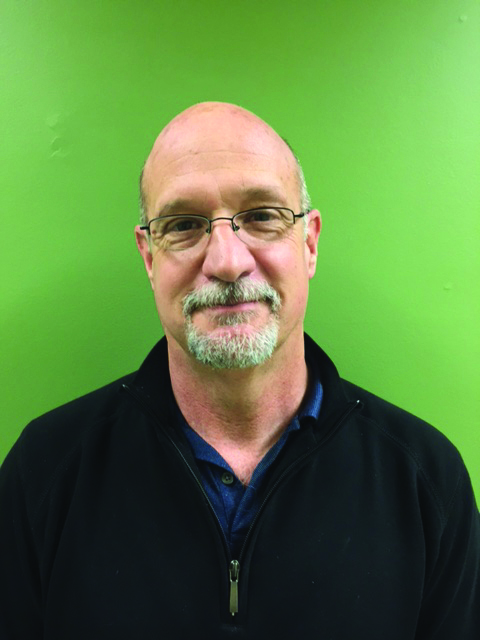
Faith in Action (FIA), a volunteer-based nonprofit that takes people who need transportation to medical appointments, has appointed Rev. Dr. Charles Franks to the part-time executive director position.
Franks has eighteen years of experience as the Young Life Area Director in Williamsburg, Va. and Bermuda plus twelve years as Senior Pastor for First Baptist Church in Devonshire, Bermuda. He has a bachelor’s degree in economics from The College of William & Mary and a Doctorate of Divinity from the Master’s Graduate School of Divinity in Evansville, Indiana.
He has provided even leadership and organizational support to help youth participate in Young Life’s camping program while recruiting, equipping, and managing a large team of volunteer leaders to accomplish the ministry objectives. As a Senior Pastor in Bermuda, he supported the larger Bermuda community through facilitating social programs and providing opportunities for the community to act on their faith.
“Through these experiences I have developed skills in volunteer development, fundraising, community outreach, team leadership, and the provision of helping services,” he says. “I like to think that I have strong rapport building and communication skills and my experiences to date have given me opportunity to hone and practice those skills.” He feels that working for FIA allows him to follow his calling to “love my neighbor.”
Winchester is Franks’s hometown. He is a member of First Baptist Church, the Valley Interfaith Council, and serves as a volunteer with the Winchester Area Temporary Thermal Shelter (WATTS). He has two grown sons and recently married Susan Maddux.
Karen Shipp, board chair of FIA, is pleased to have selected someone with Franks’s diverse employment and educational experience. “One of Faith in Action’s primary responsibilities is to recruit, train, and retain a group of volunteers dedicated to providing life-saving transportation to medical appointments,” she says. “Charly’s extensive background in working with large groups of volunteers will be invaluable in this position.”
Shipp says the organization received 18 applications for the position. “We were very fortunate to have the assistance and direction of Sharon Gromling, director of Our Health, who has extensive human resources experience” in selecting Franks, she says. Faith in Action is a member of Our Health and is housed in the Our Health office.
Faith in Action is a 501(c)(3) nonprofit with one paid staff member and around 50 volunteers. They transport people who are ambulatory and do not qualify for transportation help through Medicaid to medical appointments. They are able to fill 95 percent of qualifying requests and serve Winchester, Frederick and Clarke Counties, and the northern areas of Warren and Shenandoah Counties. Volunteers are credentialed through Valley Health, and thus receive Valley Health recognition and some discounts. Faith in Action seeks to reimburse volunteers up to 30 percent of fuel costs.
Franks is impressed with the health of the organization and its “active and committed” board of directors and excellent service to clients. He notes that the group receives strong administrative support from Mike and Kathy Garcia, who schedule the transports. Franks appreciates the generous community that supports the work of many nonprofits in the area, including FIA, as well as the strong support from Valley Health and Our Health.
His immediate goals are to get to know everyone involved in FIA and familiarize himself with the administrative and operational details of the organization. By the end of May 2016, he hopes to have completed a vision casting process with the FIA board, staff, and volunteers to set goals together. Over time, he will monitor the needs of the clients and adapt as necessary.
Shipp, who has been involved with the FIA board since its discussion phase in 2002, hopes to continue to promote the group’s services to a larger audience who could benefit from their services, as well as further increase the number of volunteer drivers and expand board membership.
Franks and Shipp are addressing their immediate attention to their annual fundraiser, TableScapes 2016. Held on April 10 from 2-5pm in the Ferrari Room of Shenandoah University’s Brandt Student Center, TableScapes showcases local talent. Fifteen decorators will decorate a table with the theme of their choice. There will be a floral arrangement demonstration and individual instruction in napkin folding. The event will also feature a crystal display accented with silver, an antique linen display, a raffle, door prizes, and refreshments. New this year is the addition of three decorated children’s tables. Attendees will help select the “People’s Choice Award.”
Tickets are $25.00 and can be purchased at Kimberly’s, located at 135 N. Braddock St. in Winchester; Sweet Tea at 15 E. Boscawen St. in Winchester; or Our Health at 329 N. Cameron St. in Winchester. Interested parties can call 540-667-7677 for information or to purchase tickets over the phone.
For more information on FIA or to connect with Franks as a potential FIA volunteer, contact him at 540-536-1006.
https://clarkeva.com/wp-content/uploads/2016/04/IMG_1987.jpg640480vaobserverhttps://clarkeva.com/wp-content/uploads/2017/08/Clarke-Nameplate3-1024x320.jpgvaobserver2016-04-14 23:32:082016-04-14 23:32:58Faith in Action Appoints New Executive Director
Anthony Roper Appointed to Governor’s Administration
By Jess Clawson
Clarke County Sheriff Anthony “Tony” Roper is getting statewide attention for his dedication to Clarke County. On March 18, Governor Terry McAuliffe announced the new appointments to his administration, including asking Roper to serve on the Criminal Justice Services Board. The appointees, including Roper, will help the governor find common ground with members of both parties on issues that will build a new Virginia economy and create jobs.
The 28-member board, comprised of members of the criminal justice system, local government officials, representatives of the private security industry, the public at large, and General Assembly members, provides governance and guidance to the Department of Criminal Justice Services. According to the General Assembly, the CJS Board is responsible for “planning and coordinating the implementation and administration of criminal justice and delinquency prevention and control throughout the Commonwealth.” Board terms are two years.
Roper is happy to have been appointed to the board. “I have worked diligently in certain aspects of areas covered by the board, and I have ideas I would like to see considered,” he says. “Maybe my interest caught the Governor’s attention.”
Roper was born and raised in Clarke County. He entered law enforcement in 1978 and was elected Sheriff of Clarke County in 2003. His experience in the sheriff’s office has changed as he gained life experience. “I joined the sheriff’s office right out of high school looking for excitement and adventures,” he says. “I grew up watching cop shows on television and thought that was the career for me. And for many years, it was all about the running and gunning of catching the bad guys. I identified with capturing them and putting them away.”
Over time, however, that led him to examine the profession and what those invested in it were and are accomplishing. His work with drug enforcement in particular led him to think specifically about the use of law enforcement in dealing with the problem. “We seemed to be arresting addicts repeatedly for the same type of offenses, with no one leaving prison habilitated. While the addicts themselves need to take some ownership, I believe that we can’t do the same things over and over again and expect different results,” he says. Roper has taken this commitment to reevaluation seriously. He served as a founding member of the Northwest Virginia Regional Drug Task Force and was a member of the regional FBI Drugs and Violent Crime Task Force.
Additionally, he realized the importance of evaluation of practice in the office. For instance, he questioned whether the department was making the best use of technology. The office now uses video conferencing for some court appearances that do not necessarily require the inmate to appear personally. “This allows us to keep incarcerated folks behind bars, and we do not have to transport them from the jail,” Roper says. “The community stays safer, and we make a better use of our limited manpower resources.” In general, he sees the profession as one that “can be complacent and do things because we always did them that way,” but he believes “we must challenge everything.”
He decided to run for sheriff initially because he saw some things he believed he could change for the better, and wanted to leave his mark on the county. At the time he ran, he says he had a group of loyal followers in the department who were doing a great job, and he wanted to ensure that the new sheriff took care of those folks as well.
Roper gained the employees’ loyalty in part because he kept them on board. Sheriff’s employees serve at the will of the sheriff, so he could have “cleaned house,” as he says, when elected. But he wanted his employees to feel secure in their future. “I believe their loyalty is inspired by a great working environment here,” he says. “We cannot compete with some salaries offered, particularly with larger, more metropolitan offices to the east. But we do offer a chance to make a real difference here.”
Roper has been widely recognized as a valuable community member. He has been asked to serve on a great many boards, including the board of the Northwest Regional Adult Detention Center, serving as the Past President of the Virginia Sheriff’s Association and the Rappahannock Regional Criminal Justice Academy, and joining several committees guiding the Virginia Sheriff’s Association and the Rappahannock Regional Criminal Justice Academy.
The office itself has been exceptional, achieving reaccreditation from the Virginia Law Enforcement Professional Commission in 2015 with a perfect score. This reflects many hours of assessment of their operations. Deputies have received a substantial increase in training hours, and the office plans to maintain that aggressive training schedule in 2016.
Roper can also point to many tangible achievements he is proud of, including “new facilities, the creation of a rank structure, and the adoption of standard operating procedures.”
These accomplishments, however, are not as important to Roper as the fundamental idea of responsibility to community safety. “Every decision we make in the Sheriff’s Office is made with our mission in mind,” he says. The mission of the Clarke County Sheriff’s Office is “to provide a safe community through customer service-based policing. We achieve this mission through professionalism, respect, and ethical service.”
“This outlook,” Roper says, “keeps us focused as we make decisions ranging from how we handle the dispatching of a fire, handling a mentally ill subject, or deciding how much money we need to ask for in purchasing equipment.” Roper has a reputation for serving the community well, which he believes is his mission. “I truly believe we are sworn to do a job,” he says. “And that calling to help people is a noble one, one that we are lucky to answer.”
Along these lines, Roper describes the most rewarding element of his job as “encompassed by all the services we are given the opportunity to deliver. When we issue a speeding ticket to someone, I truly believe we are taking steps to save a life.”
“The same goes for every time we answer a call for any service,” he says. “We are the protectors, and proud to serve as such.”
The office is offering community service in the form of online safety presentations geared towards protecting children online. According to the office site, presentations are available for a variety of age groups, including parents, teens, tweens, and small children. These one-hour presentations give statistics, online resources, videos, and expert tips to engage, educate, and empower children and adults to be safer on- and off-line.
The office has changed dramatically in recent years, in that many calls for service involve quality of life issues and neighbor disputes. “Not long ago I never would have dreamed that Clarke deputies would be answering calls of ‘my neighbor’s trash can is blowing on my property’ or ‘my neighbor’s sign is detracting from my property value,’ but we do now,” says Roper. He believes this comes from the expectation of service from the community. “We do our best to answer the call,” he says. The mission has broadened: “Our office handles calls ranging from shots fired to a dog running at large.”
He also sees his role to the citizens in Clarke County and the Commonwealth at large as important because “these are the people that establish the standards that we in law enforcement are held to.”
This leads him to the changes he would like to see while he is in office—closely examining the training standards. “In the climate we are working in today, we need to provide the brave men and women in the field with all of the tools we can,” he says. “I hope to afford this type of change.”
Specifically, he wants to examine the curriculum to ensure its continued relevance. For instance, use of force training “reflects ideas that are not based on science,” Roper says. “I want our people to be confident that we are sending them into the field with the best tools, not with a fear that they are ‘out manned.’” As such, Roper believes the office requires more training, which he thinks is too readily trimmed from the budget. “This is a very short sighted approach,” he says. “This time spent is an investment that we must make.”
Roper’s stance on taking the community’s needs seriously has earned him a local and statewide reputation for excellence. His appointment to the governor’s administration is one example of this recognition, but so is his success in re-election every term, and the general public’s appreciation of his service.
https://clarkeva.com/wp-content/uploads/2016/04/Sheriff.jpg540644vaobserverhttps://clarkeva.com/wp-content/uploads/2017/08/Clarke-Nameplate3-1024x320.jpgvaobserver2016-04-14 23:26:002016-04-14 23:26:00Support Your Local Sheriff
On Thursday, March 31, Clarke County lost our well-loved and highly dedicated journalist, Val Van Meter. Even though she wasn’t from Clarke County and didn’t even reside here, Val’s service to this community was an important part of Clarke County history.
Val Van Meter was Clarke County’s reporter. Her death leaves a huge gap in the fabric of Clarke County life. Val clearly loved Clarke County as if it were her own.
I first met Val in the 1980s when she was a reporter with the Clarke Courier in Berryville. She eventually became its editor, one of the first women in the region to fill that role. No story was ever too insignificant for Val. She loved writing about history, people, local government, the school system, the environment, and of course, animals. Val was an invaluable resource for information as well as an advocate for all things Clarke County. With her, it didn’t matter who you were; she would listen, ask insightful questions, and come up with a well-written piece that demonstrated her deep understanding of the subject. How she was able to do that day-in and day-out on such a variety of topics was always a source of amazement for me. I once asked her if she ever experienced “writer’s block.” Chuckling and smiling, she responded over her shoulder as she headed back to her office, that no, she didn’t have the time to get writer’s block! Val epitomized the mild-mannered reporter, who listened, doing her job steadfastly and well. In her private life, she had another identity, as a well-respected master horse woman.
If you ever had a question about something in Clarke County, you could rely on Val to know the answer since she had probably written a story about it sometime during her more than 30-year career reporting on Clarke. Everyone who knew Val in Clarke County loved and respected her. This intelligent, modest, hard-working woman was recently recognized by Ender’s Volunteer Fire Department for raising the community’s awareness about the company’s activities. She did the same over and over for countless other non-profit organizations. Val was always upbeat and took things in stride. She routinely showed up to report on meetings, no matter what the time of day or evening.
Val had a magic touch. We were all privileged that she used it to report on us here in Clarke County. She could take the driest subject or smallest out-of-the-way thing and magically turn it into an engaging story. With her insightful and thoughtful way of reporting on our news, events, and people, Val Van Meter made Clarke County a better place for us all.
Here are a very few other tributes from some of those in the community who knew Val:
Val was a great lady. I will miss her and feel a personal loss at her passing; she was a professional colleague and friend. I admired her greatly. In brief, she was a character with character. She was well-read and a student of history. Val sought to report the news, not make it. Val was a great friend to Berryville and Clarke County. Her reporting always reflected a deep affection and admiration for this community and its people.
— Keith Dalton, Berryville Town Manager
Val really understood Clarke County and the people who have made it occasionally newsworthy. She didn’t just know, she understood, the background, the history, and the personal relationships that affected current events. If Val told you something, you could count on it. She was absolutely reliable and honest.
— Mary Daniel, Clarke County Board of Supervisors
Val did so much for this community. She wrote several stories about me and my family, for which I will always be grateful. Wherever one seemed to go in Clarke County, there Val would be. She will be greatly missed.
— Geneva Jackson, long-time Clarke resident
Val was my mentor at the Clarke Courier. She knew everyone in Clarke and loved her horses so we did a fair share of animal stories. She gave everyone that worked there a chance to improve. It was a local paper because of her.
— Bonnie Jacobs, who worked with Val at the Clarke Courier
Val and I worked together on the Retrospect articles when she was the editor of the Clarke Courier, and were friends from the moment we met. She was so down to earth and loved this little county. With Val what you saw was what you got. She will be greatly missed.
— Mary Thomason-Morris, Archivist, Clarke County Historical Association
I would say that in this day of media hyperbole, Val and her articles were always clear, concise, and factual. We in Clarke County government will really miss her. I will miss her personally as well. What a truly lovely person she was to be around.
— George L. Ohrstrom II, chair, Planning Commission
Val understood the values, hopes and desires of Clarke Country’s citizens. As a result she always knew which issues would be of the most interest to her readers and needed to be covered in the greatest depth. Her long-term knowledge and deep understanding of our County allowed her to bring a sense of perspective to each article she wrote. She worked hard to make sure she got each story right, often calling late at night to check her facts.
— John Staelin, former Chairman of the Board of
Supervisors
https://clarkeva.com/wp-content/uploads/2016/04/Val-with-4-H-member.jpg14401800vaobserverhttps://clarkeva.com/wp-content/uploads/2017/08/Clarke-Nameplate3-1024x320.jpgvaobserver2016-04-14 22:08:262016-04-14 22:08:26Remembering Val Van Meter
As we enter the final throws of the Presidential primary season, one in which televised debates and commercials lost the G-rating for family viewing long ago, we can’t help but observe how the breakdown in manners and civility now permeates public life and, sadly, sometimes interactions among neighbors that often take place entirely in the online world.
Politics always has been a rough-and-tumble pugilistic affair — without the minimal padding of gloves designed to protect the puncher’s hand, not the jaw on the receiving end. But over the last several years, being rude or snide has become not only acceptable, but something to be cheered.
Is this really what we want to teach our children? That when we disagree, our first impulse is to insult or accuse? Is this how we want to send them off into the world? It’s certainly not the world we inherited from our parents. And as a practical matter, can anyone claim to have persuaded another person on any issue by calling them names?
In these times, many of us are drawn to people who exemplify civility, civic curiosity, and a genuine love of neighbor — as the faithful are called to embrace. Val Van Meter was such a person. If the pen is, indeed, more powerful than the sword, it’s not just because it’s an instrument for argument. Rather, it’s a means to uplift us all, to remind us of the strength of community and the good that comes from practicing mutual respect.
Whether she was telling the story of a local family or reporting on the dry proceedings of government bodies, she was able to remind us that behind every event and every political controversy there were human beings with hopes and dreams and backgrounds. And she treated them all with respect.
Thinking of Val you can’t help but remember George Baily, the character portrayed by Jimmy Stewart in the classic film It’s a Wonderful Life. In the story, Baily’s guardian angel grants his wish to see what life would have been like had he never been born. He sees how many lives each of us can touch and influence. In this light, it’s hard to imagine Clarke County without the life of Val. And based on the remembrances compiled by Maral Kalbian, published on page 9 of this edition, it’s easy to see how lives and this community are fuller today because of her.
If we’re looking for people to emulate, people who serve a public role in community life, let’s not look to the angry, fear-mongers of politics flinging pseudo-facts and disinformation. We could do so much better for children, ourselves, and our community by taking Val Van Meter’s example of how to encourage conversation and celebrate all that’s wondrous about community life.
https://clarkeva.com/wp-content/uploads/2016/04/Val-Van-Meter-photo-by-Michael-Hobert.jpg949661vaobserverhttps://clarkeva.com/wp-content/uploads/2017/08/Clarke-Nameplate3-1024x320.jpgvaobserver2016-04-14 21:57:032016-04-14 23:29:44How Memories of Val Van Meter Can Change The World
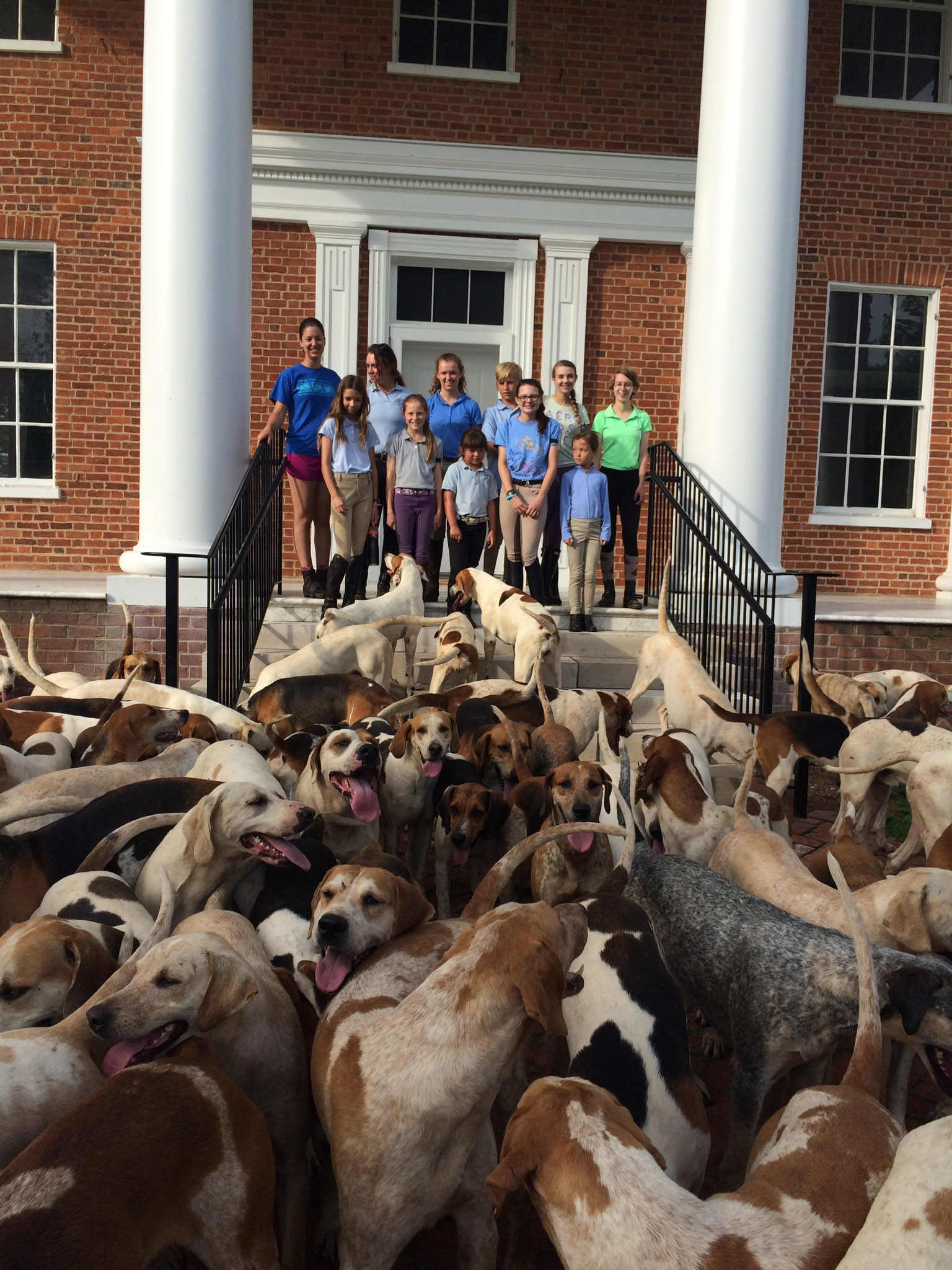
Pony Club teaches youth horsemanship, responsibility, teamwork
By Jess Clawson
Youth in Clarke County and the surrounding areas are working together to learn about good horsemanship and support Clarke County land conservation through the Blue Ridge Hunt Pony Club.
BRHPC is a branch of the United States Pony Club (USPC), a national organization for youth that teaches horseback riding, mounted sports, and the care of horses and ponies. Participants — from age six to 25 — learn horsemanship as well as responsibility, moral judgment, and self-confidence. Members participate in mounted and unmounted instruction, represent the club in regional and national competitions known as rallies, and learn to become well-rounded horse people. They achieve certifications along the way: those who attain A level are considered ready to become a professional horse trainer.
The local club is based in Clarke County, with members residing in surrounding counties, Northern Virginia, and Washington, D.C. BRHPC is historically important to the area and to the national organization: it was the first Pony Club chapter formed in the United States.
In 1953, a temporary advisory committee including local resident Alexander Mackay-Smith called a meeting of 22 interested people to propose establishing what became USPC. By the end of 1954, there were 22 member clubs in seven regions across the country. Currently, there are nearly 600 Pony Club and Pony Club Riding Centers serving over 10,000 members nationwide. Pony Clubs exist worldwide, with clubs in 30 countries.
USPC was modeled after the British Pony Clubs. “Many of the first Pony Clubs in America, such as BRHPC, were grown out of a [foxhunt club],” says BRPHC district commissioner Anne Williams. “Foxhunting, therefore, remains one of the disciplines of the USPC, and members are still educated about the sport.”
The focus of BRHPC, according to co-district commissioner Mary Schwentker, is horsemanship. “We provide opportunities to learn life skills through horses,” she says. “The certifications provide an opportunity for our members to set goals and work hard toward those goals. Our members learn to be independent and responsible to their horses and team members at rallies.”
Youth who are genuinely interested in horses can join Pony Club to build a solid foundation for horsemanship. Williams says, “I have worked in barns where children arrive, get on a pony, have their lesson, dismount, and go home without ever learning how to care for the pony. Pony Club is the whole package. It enhances the mounted instruction children already receive and introduces them to the complexities and importance of horse care. We are fortunate that local trainers and instructors recognize that aspect of Pony Club in our area and encourage their students to join so they will be well-rounded.”
Members seek out Pony Club because it’s fun, too. “BRHPC is like a family,” Schwentker says. “We have many activities throughout the year, both mounted and unmounted. Our members work hard but always have fun.”
Many BRHPC members ride competitively as well as participate in pony club. “The pony club program places a strong emphasis on horsemanship, knowledge of horse care, and management,” says Schwentker. “We are producing individuals who can be successful in the show ring and also have depth of knowledge in regard to horsemanship. They are self-reliant, they know the importance of volunteering and giving back to the sport, they know what it is to win and not win with grace. People coming from Pony Club are some of the most well-rounded horsemen in the sport.”
Local top riders with Pony Club roots include Schwentker herself — a USPC national examiner and eventing professional, as well as United States Dressage Federation silver medalist; David and Karen O’Connor, Cathy Frederickson (also a national examiner) Stephen Bradley, Sara Kozumplik, Phyllis Dawson, and top amateur Dr. Dorothy Eisenberg.
While Pony Club has traditionally built the curriculum around the sport of eventing, members can now choose to specialize in eventing, dressage, and show jumping. Further, there are also rallies in dressage, eventing, foxhunting, mounted games, polo, and others.
“Today, you could go through all of the [national level] certifications on a horse management track and never ride at all,” says Williams. “Or you could be on a dressage track and never jump, or a show jumping track and never ride cross country, and still reach your A certification.” It’s very different from when she and Schwentker were in Pony Club, she adds, but it furthers the goals of Pony Club to be accessible to everyone, no matter what their interest is.”
Rallies are a good experience for young riders. They compete on teams of three or four riders and a stable manager. “The opportunity to compete on a team in equestrian sports is often not seen until international competition,” Schwentker says. “No parents are allowed in the barns or the warm up. Members are judged on their stable management, turnout of the horses, and tack before and after their rides — in addition to their performances in the ring. They are responsible to get to the inspections and rings on time. This is a wonderful opportunity to learn responsibility and teamwork.”
At each of the regional rallies, up to four individuals will form a regional team and compete at the USPC National Championships. Pony Club members also have the opportunity for international exchange teams in games, polocross, eventing, and foxhunting.
The local chapter benefits the Clarke County area beyond producing well-rounded and knowledgeable horsemen. “Clarke County is a haven for horse people, especially fox hunters,” says Williams. “We are so very fortunate to live in an area where so much land is in conservation easements and protected from development. Our young people are hopefully going to be the next stewards of this amazing county, and that’s why Pony Club is important for them to be a part of.”
Every summer they have a weeklong camp at Long Branch to help prepare for rallies and certifications, where they focus in part on land conservation. “We are very fortunate to hold our camp at Long Branch. Last year we took advantage of learning about the recent improvements the organization has made to the actual Long Branch stream that runs through the property,” says Williams. Local member Lindy Davenport organized a lecture and tour of the waterway protection effort taking place at Long Branch. Members had the opportunity to learn about the fencing that had been installed to protect banks and how keeping a herd of horses out of the stream would benefit the water. “It made the kids look at how everything they do, even something as simple as turning a horse out, affects something else in the environment.”
Longtime supporter Iona Pillion often takes members on long trail rides so that members, especially those who do not participate in fox hunting, “can see how lucky they are to have landowners who support the sport and the land itself to enjoy,” says Williams. “She is always quick to remind the kids of these points.”
The national organization also emphasizes land conservation. “The USPC includes a land conservation requirement in each of the horse management certifications,” says Schwentker. At the lowest level, “Members are required to know three locations where the activities take place. As the members progress through the A horsemanship test, they need to be able to discuss the area’s land conservation concerns and initiatives.”
Pony Club prepared Schwentker for her career as a professional. “My experience in Pony Club has given me a strong foundation in horsemanship,” she says. “From here it has been easy to gain the knowledge needed to compete successfully at the upper levels of eventing. Even if I had chosen a career outside of horses, I am certain that the life lessons learned in Pony Club would help me to succeed in any field.”
Pony Club also encourages volunteerism. “Pony Club encourages members to give their time generously, whether that manifests itself by requiring older members to teach younger members, or seeing alumni who want to return to be club leaders, judges at rallies, and becoming involved with the Pony Club at the national level,” says Williams.
Anyone wishing for more information on joining the club or upcoming activities can contact Anne Williams at 540-303-3931 or annewilliams81@gmail.com.
https://clarkeva.com/wp-content/uploads/2016/03/pony-club-and-hounds.jpg20481536vaobserverhttps://clarkeva.com/wp-content/uploads/2017/08/Clarke-Nameplate3-1024x320.jpgvaobserver2016-03-10 21:19:492016-03-10 21:19:49Learning Life Skills Through Horses
Community coalition to end drug deaths takes on tough challenges in the Valley
By Jess Clawson
The rise of substance abuse in the Shenandoah Valley has resulted in 30 opiate-overdose deaths and 55 opiate-overdose injuries reported in the area in 2015, up from only two reported opiate overdose deaths in 2012. Community members in Winchester and Frederick and Clarke counties have joined together to help prevent further injury and loss of life through the Northern Shenandoah Valley Substance Abuse Coalition (NSVSAC).
The genesis of the group was a meeting in April 2014 of more than 100 people who gathered for a heroin summit at Shenandoah University. After presentations, participants formed breakout groups to brainstorm solutions to the epidemic. Soon after, Winchester Police Chief Kevin Sanzenbacher hosted the initial meeting of the Heroin Task Force, which has evolved into the nonprofit NSVSAC.
The NSVSAC includes representatives from law enforcement, health care, substance abuse treatment, and youth advocacy organizations, as well as families affected by the disease of addiction. “These efforts started after local law enforcement saw a significant increase in the number of heroin overdose deaths between 2012 and 2013, when the deaths increased from one to 21,” says NSVSAC executive director Lauren Cummings. “Law enforcement officials recognized that we were not going to be able to arrest our way out of this problem, it would take community support, buy-in, and treatment to address the public health crisis.”
Winchester Medical Center (WMC) was key to the group’s establishment. According to WMC vice president and founding NSVSAC member Nicholas Restrepo, M.D., the need to act was clear. In 2012, WMC initiated a hospital-wide “safety call,” which provided a daily snapshot of any patient safety issues that need special monitoring or action.
“We were struck by the growing frequency of patient care challenges due to substance abuse, from the emergency room to the newborn nursery,” Restrepo says.
The mother-baby unit and the neonatal intensive care unit leadership had developed protocols for these patients, but the need for more was clear throughout the hospital. “We welcomed the opportunity to shed light on the disease of addiction and join the broader discussion of how we might best address opioid abuse in our regional community.”
NSVSAC works to decrease the effects of heroin in several key areas: overdose deaths, infant drug exposure, children with addicted parents or caregivers requiring social services intervention, and incidence of addiction-related crime.
Community collaboration is critical to the success of this venture. The City of Winchester, Frederick County, and Valley Health donated $60,000 each to fund NSVSAC, and Clarke County contributed an additional $15,000. The executive committee is comprised of the Winchester Chief of Police, a public defender, a juvenile court judge, health care providers, and a concerned citizen.
“It’s not every day that you have the chief of police, the public defender, and a judge all agreeing on one topic,” Cummings says. “This is a unique situation in which these individuals, who recognized the severity of this problem, were willing to all sit down at one table and come up with solutions.”
The NSVSAC’s top priority is to establish a Drug Treatment Court Program for Clarke County, Frederick County, and the City of Winchester by July 1, 2016. They will seek grant opportunities to implement best practices. “One of the strongest messages we have heard over the past year and a half is our area lacks affordable, accessible treatment options, and we hope to find solutions to this challenge,” says Cummings.
According to Cummings, “The goal of the drug treatment court is to promote public safety by treating addiction and substance abuse among non-violent offenders involved in the judicial system.” The court will identify eligible participants from the criminal dockets in the circuit courts of Winchester and Frederick and Clarke counties. Accepted participants will be transferred to the drug treatment court docket, overseen by two circuit court judges.
“The program will offer comprehensive substance abuse treatment, as well as other counseling and services to help participants maintain sobriety and live productive lives without violating the law,” says Cummings. It will also offer “intensive supervision of participants, monitoring of progress through the phases of the program, and frequent, random drug screening. Participants will be held accountable for their conduct and any violations.” Ten to 15 participants will enroll in the first year.
“Without the program, offenders face incarceration. If incarcerated, upon their release, they are returned right back into the same environment that fostered their addictive behavior, except now they may have lost their job, and carry the stigma of being a convicted offender,” says Cummings.
NSVSAC is also working to reduce or eliminate the stigma of addiction, because, according to Cummings, this stigma prevents people from seeking treatment. “Our message is clear,” Cummings says. “Addiction is a disease, not a choice or moral failing and if you are suffering with an addiction, there is help.”
NSVSAC has initiated a number of outreach efforts aimed at reducing the stigma associated with addiction, including a website (www.roadtorecovery.info) launched in 2014 to educate the public on the disease of addiction. Further, a support group called Families on the Road to Recovery formed for families of loved ones struggling with addiction and for family members who have lost a loved one to addiction. The group meets twice monthly. Finally, NSVSAC hosted a screening of Heroin: The Hardest Hit, a documentary by the attorney general’s office on the heroin and prescription drug epidemic and its effects on Virginians. “We feel continued outreach efforts like the aforementioned initiatives will help reduce the stigma of addiction,” Cummings says.
Prescription drug abuse is a significant factor in the increase in opiate deaths. “Unfortunately, prescription drug abuse skyrocketed nationally as a result of a focus on pain management that didn’t adequately resource alternatives to narcotics,” says Restrepo. “This increase led to availability of a drug choice, and greatly contributed to our current crisis. One aspect of the coalition’s efforts has been to encourage using medications as prescribed, storing them in a secure location, and disposing of unused medications.”
According to the NSVSAC website, more than 60 percent of local overdose victims had a prior history of prescription drug abuse. They have set up drug collection units to reduce the amount of unnecessary medicine in peoples’ homes and decrease prescription drug abuse, especially among teenagers. A 2014 Partnership for Drug-Free Kids study shows that more than 70 percent of teenagers say it is easy to get prescription drugs from their parents’ medicine cabinets. Drug addiction can begin early — the average age of the first-time heroin user is 23 years old.
Drug collection units take medicine with no questions asked at several Winchester, Frederick, and Clarke locations. Affordable drug lock boxes can also be purchased at the Valley Health Pharmacy and at Valley Home Care for those who have prescription medications in their homes and want to ensure they don’t end up in the wrong hands.
Anyone seeking more information or help can call CONCERNS HOTLINE at 540-667-0145 to speak soemone. The NSVSAC website provides substantial resources as well. Community members who wish to help can educate themselves on the signs and symptoms of drug use, clean out their medicine cabinets, support local substance abuse education, and donate to the NSVSAC.
https://clarkeva.com/wp-content/uploads/2017/08/Clarke-Nameplate3-1024x320.jpg00vaobserverhttps://clarkeva.com/wp-content/uploads/2017/08/Clarke-Nameplate3-1024x320.jpgvaobserver2016-03-10 21:14:492016-03-10 21:14:49Meeting an epidemic head on

 Getting to know your local library through quotes
 Getting to know your local library through quotes
 May
May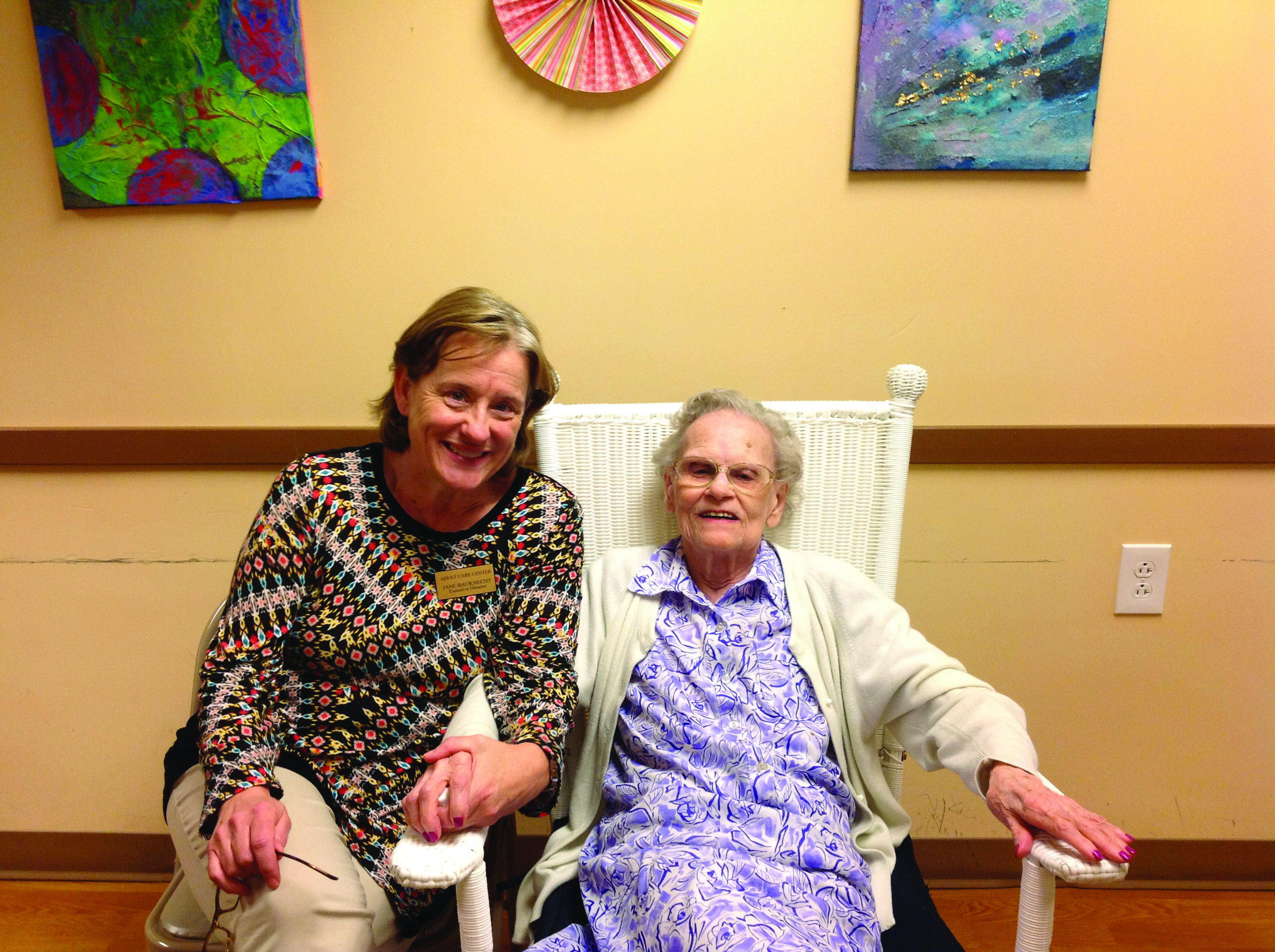
 Faith in Action (FIA), a volunteer-based nonprofit that takes people who need transportation to medical appointments, has appointed Rev. Dr. Charles Franks to the part-time executive director position.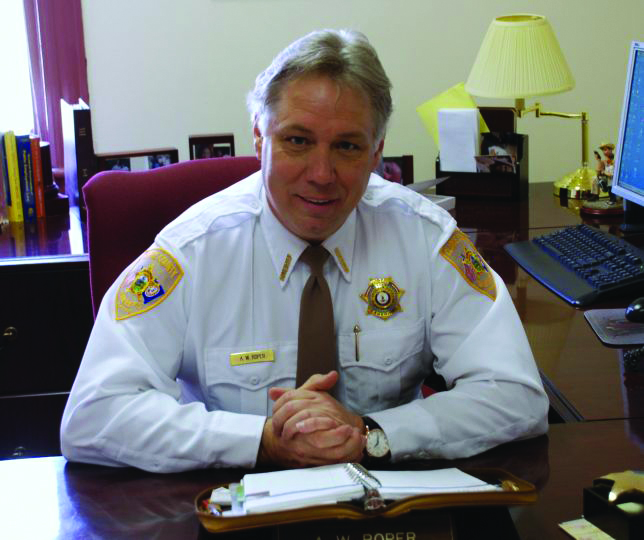
 Anthony Roper Appointed to Governor’s Administration
 By Maral S. Kalbian, Clarke County resident
 Pony Club teaches youth horsemanship, responsibility, teamwork